Introduction
Over the last ten years, the transportation industry has changed a lot, mostly because more people are buying electric vehicles. Electric cars have gone from being niche products to common ways to get about. As part of the global move toward sustainability and cleaner energy, governments, consumers, and businesses are all getting on board with EV adoption trends. The rise in electric vehicles is not only a sign of scientific advancement but also a cultural and economic shift that is changing the way we think about transportation in the future.
Trends in the global growth of EV adoption
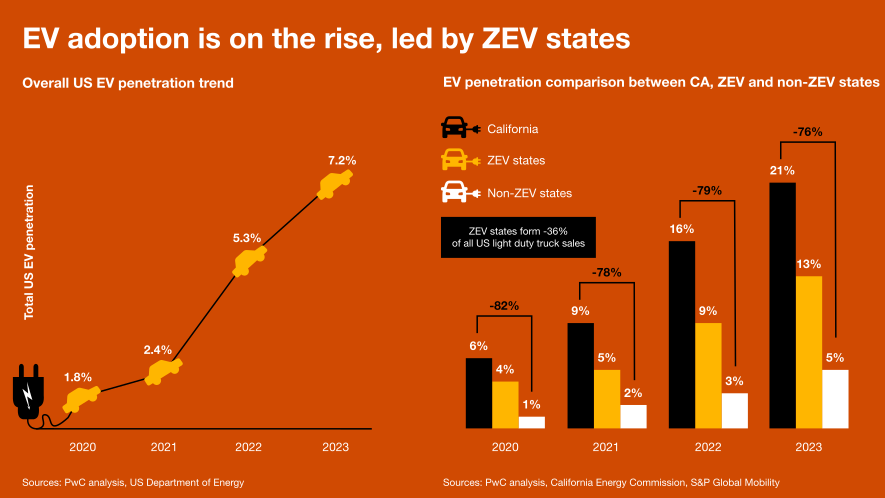
EV adoption rates are demonstrating a steady growing trend across all continents. Countries including the US, China, and some in Europe have made a lot of progress in making their transportation systems electric. The surge in the number of people who own EV adoption trends is due to lower battery prices, better charging infrastructure, and more people being aware of how important it is to protect the environment. As the world becomes less reliant on fossil fuels, the auto industry is moving toward a new era of electric transportation fueled by renewable energy and cutting-edge technology.
Technological improvements are making more people want to buy electric vehicles.
Rapid technological progress is one of the main reasons why more people are buying electric vehicles. Battery efficiency, range optimization, and fast-charging technologies are changing faster than ever before. These changes are making electric cars easier to get, cheaper, and more useful. The rise of electric vehicles is further helped by the rise of smart charging infrastructures, connected auto systems, and artificial intelligence. Because of this, many increasingly see EV adoption trends as feasible alternatives to regular cars, which has led to a new wave of acceptance and excitement.
Government policies that affect how many people buy electric vehicles
Government incentives and policies are very important for speeding up the trend of people buying electric vehicles. To get people to transition to electric cars, many governments are giving them tax breaks, subsidies, and help with building the infrastructure. The advent of stricter emission standards and aims for cutting carbon emissions has made people around the world even more likely to buy electric vehicles. Low-emission zones are being set up in cities, and public transportation fleets are slowly switching to electric vehicles. These strategic actions are laying a solid groundwork for continued growth in the EV market.
Trends in EV Adoption and Consumer Behavior
People are quickly shifting their minds about electric mobility. Trends in EV adoption are changing faster than ever because of rising gasoline costs, greater environmental awareness, and the appeal of new car technology. Electric cars offer buyers today what they want: sustainability, financial savings, and new ideas. As the charging infrastructure grows and people stop worrying about performance, more and more people from different backgrounds are buying into EV adoption trends.
Problems with trends in EV adoption
Even while more and more people are interested in electric vehicles, there are still a lot of problems with the trends in their acceptance. There are a few big problems: not enough charging stations in rural regions, high initial expenses, and worries about how to get rid of batteries. But these problems are slowly being solved as manufacturers keep putting money into solutions that can grow. The ongoing progress of battery recycling technology and the use of renewable energy sources are making more people want to buy electric vehicles and making transportation cleaner.
What Will Happen in the Future with EV Adoption Trends
In the future, trends in EV adoption trends will change the global automotive industry for many years to come. Experts say that sales of electric vehicles will expand quickly, and that infrastructure and energy management will also improve. The partnership between car producers, governments, and tech companies will speed up the trend of more people buying electric vehicles, which will lead to mass electrification. By 2035, electric cars are predicted to make up most of new automobile sales in many areas. This will show that efforts to make the world more sustainable are working.
Conclusion
In conclusion, the rise of electric vehicles is not merely a sign of development in technology but also a change in society. The rise of electric cars shows that people are committed to protecting the environment and using energy more wisely. With each new model, regulatory change, and charging innovation, EV adoption trends are changing how people move and connect. The road to a totally electric future has begun, and the rise of electric vehicles will be at the center of this change, leading the world to a cleaner, greener, and more efficient tomorrow.
About the Author





:max_bytes(150000):strip_icc()/TAL-greece-lead-image-DIGNOMADDEST0225-d30c140de95e43f9b37e309fcf042ccf.jpg "Best Digital Nomad Destinations for Remote Work and Adventure in 2025")