
Introduction
The shift in energy use in cars is transforming how people travel throughout the world by shifting away from fossil fuels and toward cleaner, more sustainable energy sources. This movement isn’t just about converting from gasoline and diesel to electricity. It’s a significant transformation in how we handle the environment, our technology, and our infrastructure. People all throughout the world, including governments, automobile makers, and customers, are all working together to make things more efficient and sustainable. The automotive energy transition marks the beginning of a new age.
The Rise of Electric Cars in the Move to Cleaner Cars
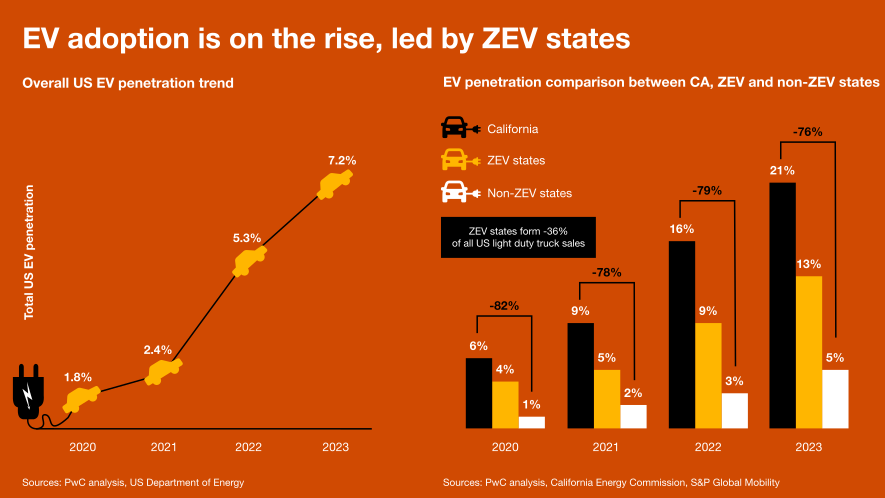
Electric vehicles (EVs) are at the forefront of the move to automotive energy transition in autos. They are transforming how we get about by making it less polluting and less dependent on oil. Every year, battery makers spend a lot of money on new technologies that make batteries cheaper, charge faster, and function better. The rise in the number of people who own electric vehicles (EVs) highlights how the move to greener energy in cars is changing the way people get around every day. This trend shows that more and more people are aware of how important it is to protect the environment and demand clean, modern means to go about it.
The switch to cleaner energy in the construction of buildings and cars
A solid infrastructure for electric and hybrid automobiles is a key part of the move toward cars that use less energy. Charging networks, renewable energy grids, and smart cities are being created to make room for the growing number of zero-emission automobiles. Governments all across the world are establishing rules to promote sustainable transportation, like tax rebates and public charging stations. This integration of infrastructure makes sure that the shift to automotive energy transition isn’t only about new automobiles; it’s also about changing how energy works with transportation systems.
Issues with switching to automotive energy
The shift to electric cars has a lot of potential, but there are also a lot of obstacles that need to be fixed before it can function. Still, there are huge concerns, including high manufacturing costs, not enough charging stations in rural areas, and a dependency on critical minerals like lithium and cobalt. To make the switch to electric automobiles really sustainable, we also need to look more thoroughly at how creating and disposing of batteries affects the environment. But these difficulties are slowly becoming better as technology and recycling processes improve. This makes the international change more likely to happen and more enduring.
The role of renewable energy in the move to cleaner cars
Wind, solar, and hydropower are all key sources of renewable energy that are assisting the shift to electric cars. Electric cars need clean electricity to run, and charging them with renewable energy makes their carbon footprints even smaller. People may be able to charge their cars with little harm to the environment by using smart networks and renewable automotive energy transition together. This mix of renewable automotive energy transition and car technology makes sure that the switch to using less energy in cars is good for the environment and for energy independence.
The global effects of the switch to electric cars
Countries all across the world are changing their economies, job markets, and company plans because of the migration to electric cars. Companies that make old automobiles are changing how they make them so they may include electric and hybrid autos. At the same time, new businesses that solely make transportation that is good for the environment are starting up. Countries are racing to be the first to make this change happen by investing in research and new ideas. The transition has also brought up new ways of doing business in the mobility services industry, such as car-sharing and making fleets electric. These developments show that the shift to automotive energy transition is affecting more than just transportation; it’s also affecting the complete economy that goes with it.
The Future of the Switch to Automotive Energy
The future of the shift to automotive energy transition for cars seems good since people are coming up with new ideas, making beneficial legislation, and becoming more concerned of the environment. Electric cars will be easier to use as technology improves. They will use less energy and charge faster. In the next ten years, people will see and use cars in a completely new way. In this changing environment, switching to cleaner cars will be the most important thing we can do to meet global climate goals and keep the globe healthy for future generations.
Conclusion
The switch to electric automobiles and other types of transportation is one of the major transformations in technology and culture in a long time. It uses the latest technology and is good for the environment to revolutionize how we get about in the future. The world is getting greener and wiser because of things like electric automobiles and using renewable automotive energy transition. As more people get on board with the automotive energy transition, it will keep moving people toward a future that is more sustainable, efficient, and forward-thinking.
About the Author




:max_bytes(150000):strip_icc()/TAL-greece-lead-image-DIGNOMADDEST0225-d30c140de95e43f9b37e309fcf042ccf.jpg "Best Digital Nomad Destinations for Remote Work and Adventure in 2025")